Showing posts with label P-47D. Show all posts

Sunday, November 23, 2014

Annother Thunderbolt!

Republic Aviation's P-47 Thunderbolt, also known as the "Jug", was the largest, heaviest, and most expensive fighter aircraft in history to be powered by a single reciprocating engine. It was one of the main United States Army Air Forces (USAAF) fighters of World War II, and served with other Allied air forces. The P-47 was very effective in air combat but proved especially adept at ground attack. It had eight .50-caliber machine guns, four per wing. When fully loaded the P-47 could weigh up to eight tons. A modern-day counterpart in that role, the A-10 Thunderbolt II, takes its name from the P-47.

I needed another break from the last P-47D. So another P-47D would cure that empty space on the workbench. lol. Tamiya's Jug is just about one of the best fitting kits in 1/48th. No fit issues so far. I started with the power-plant, the Pratt & Whitney R-2800 painted in Alclad II Aluminum with details painted with Vallejo paints as well a acrylic wash. The ignition harness wires are .010 and .015 lead wire painted black, lastly I fitted a Pratt & Whitney photo-etch logo on the bottom of the case.

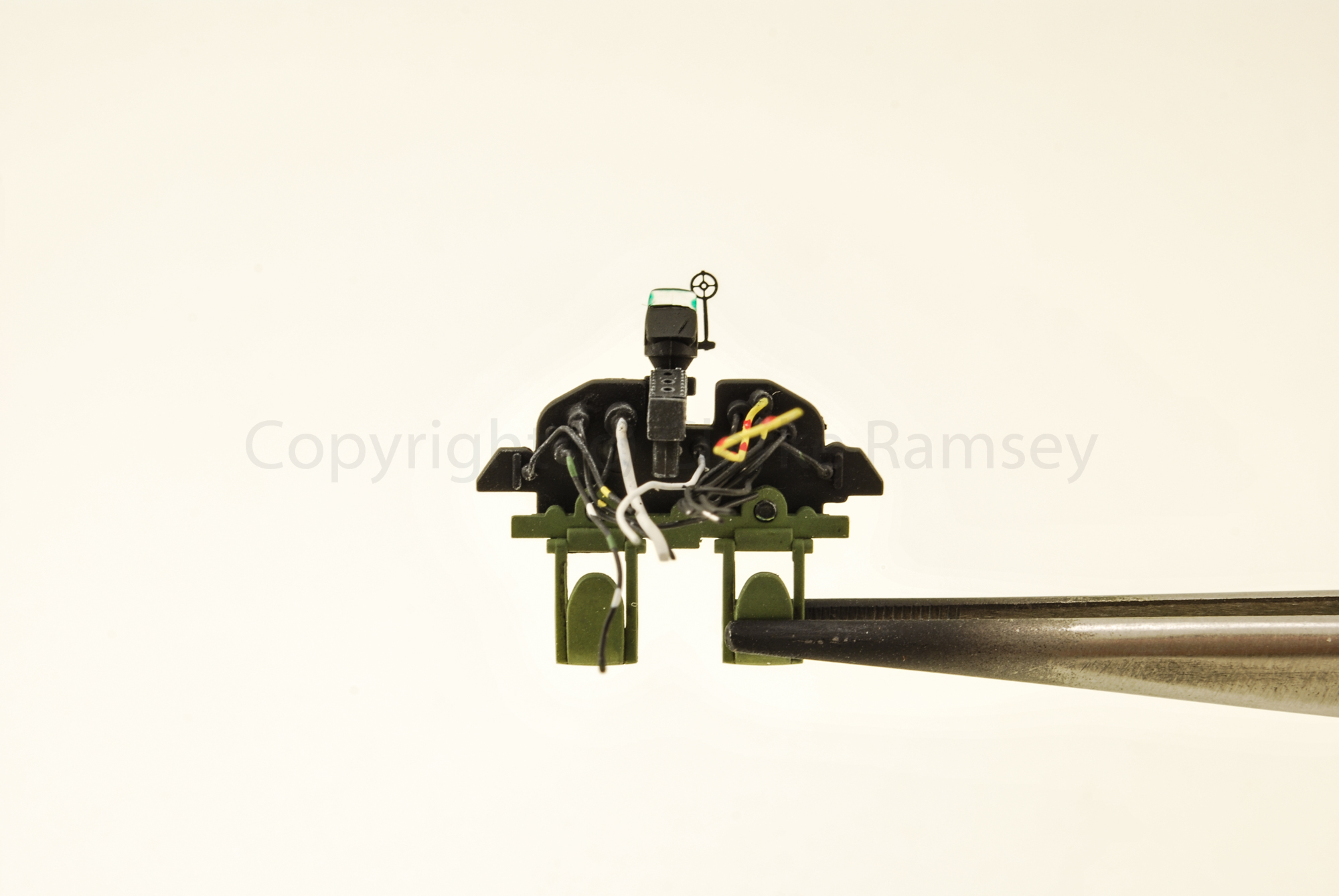
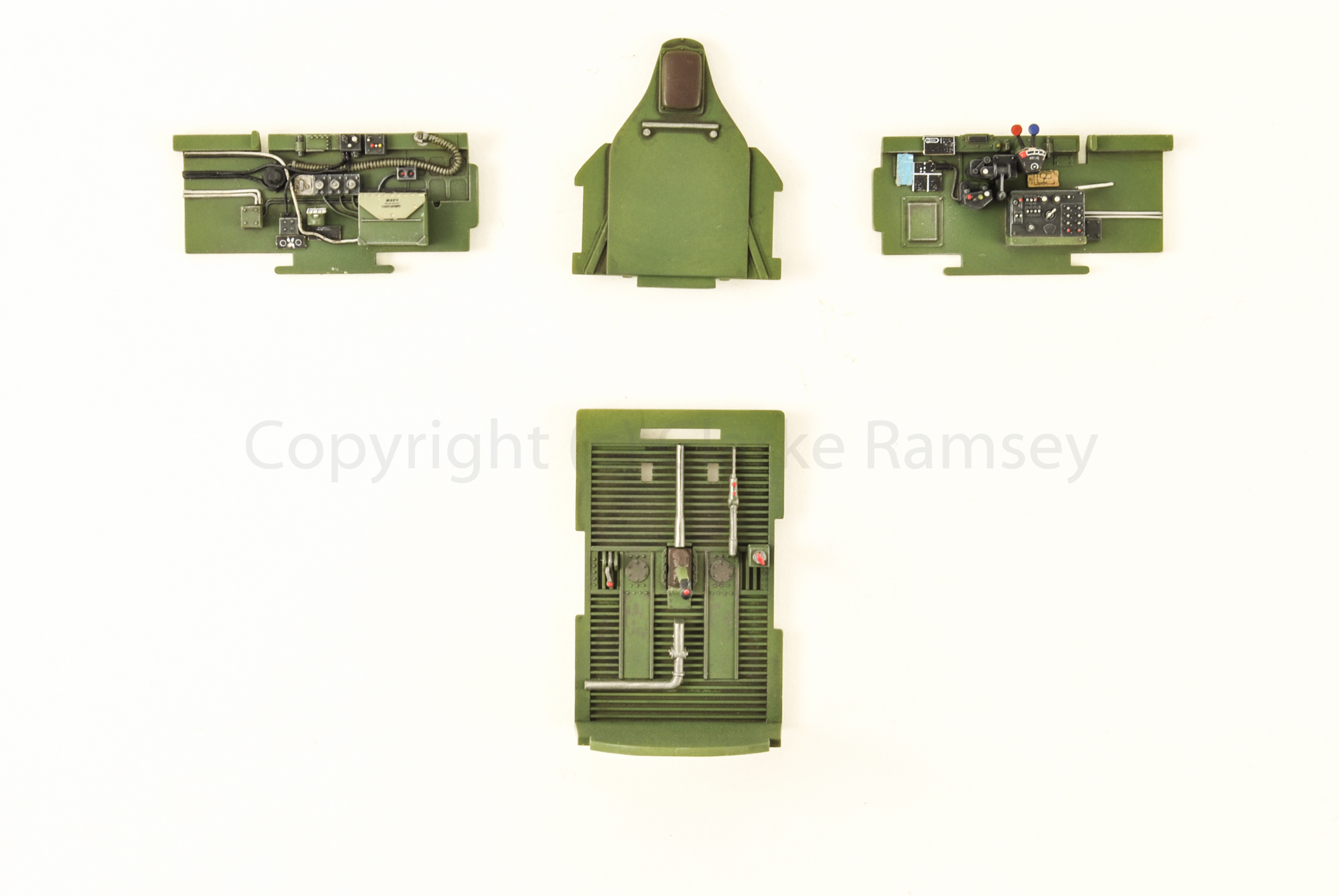
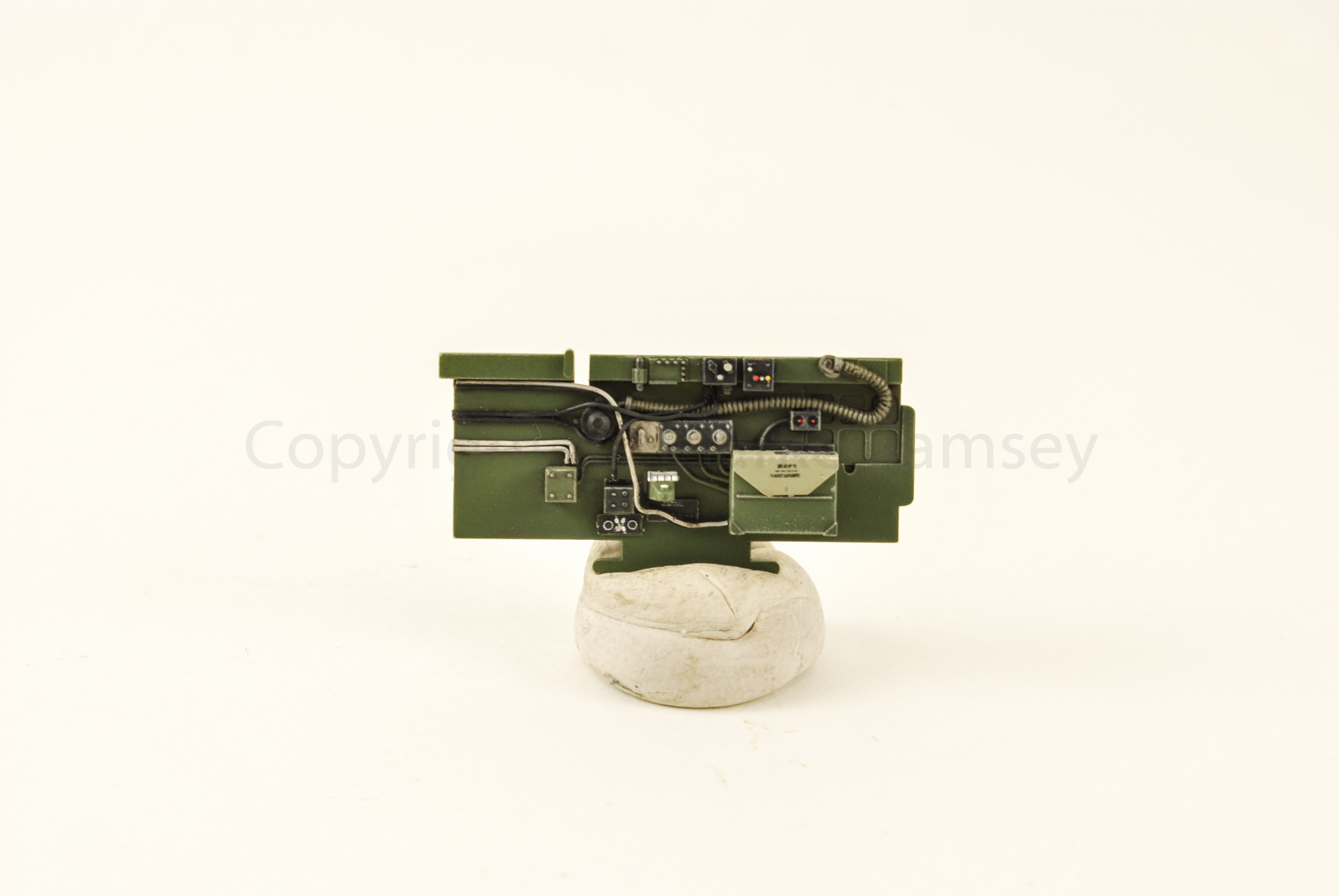
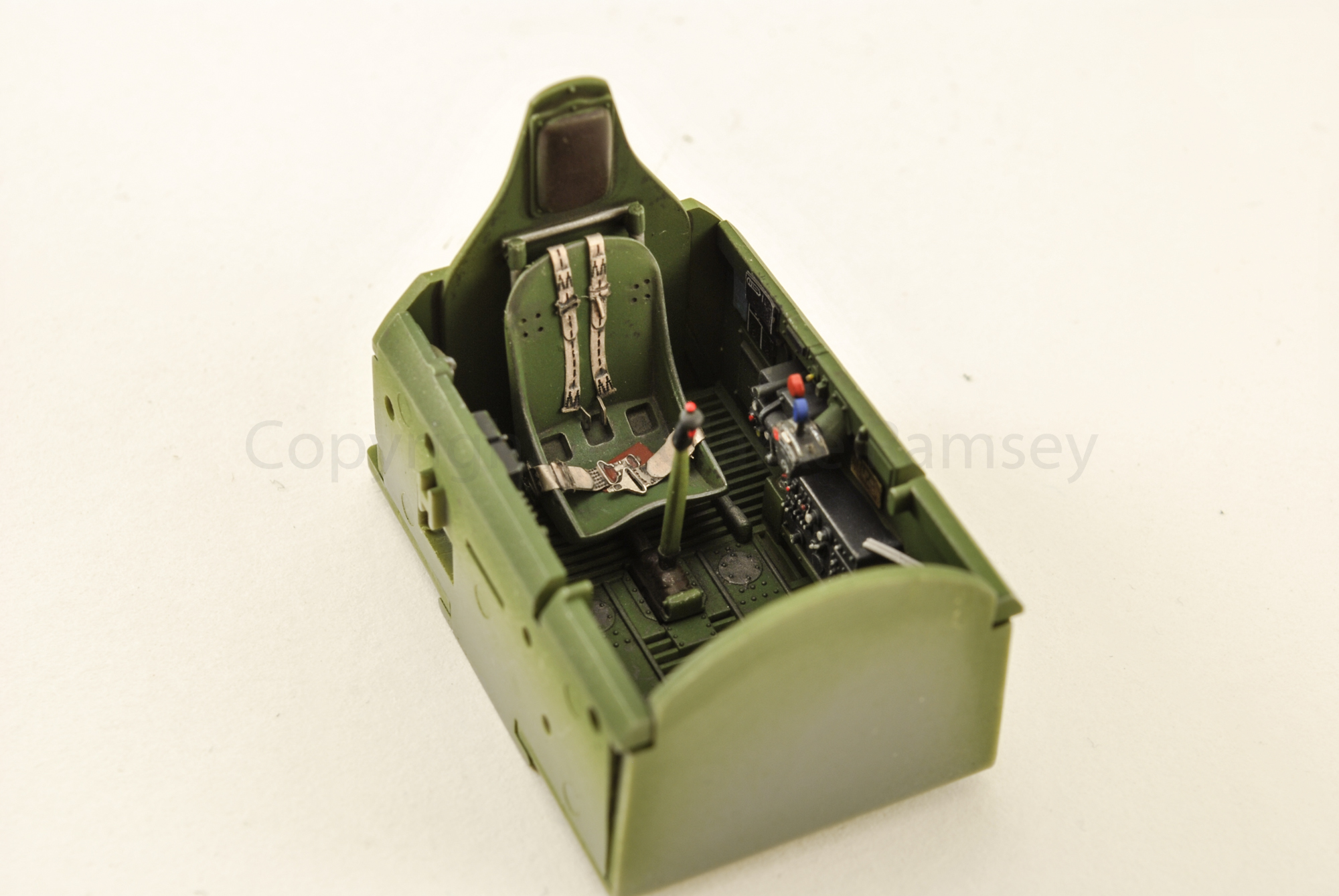
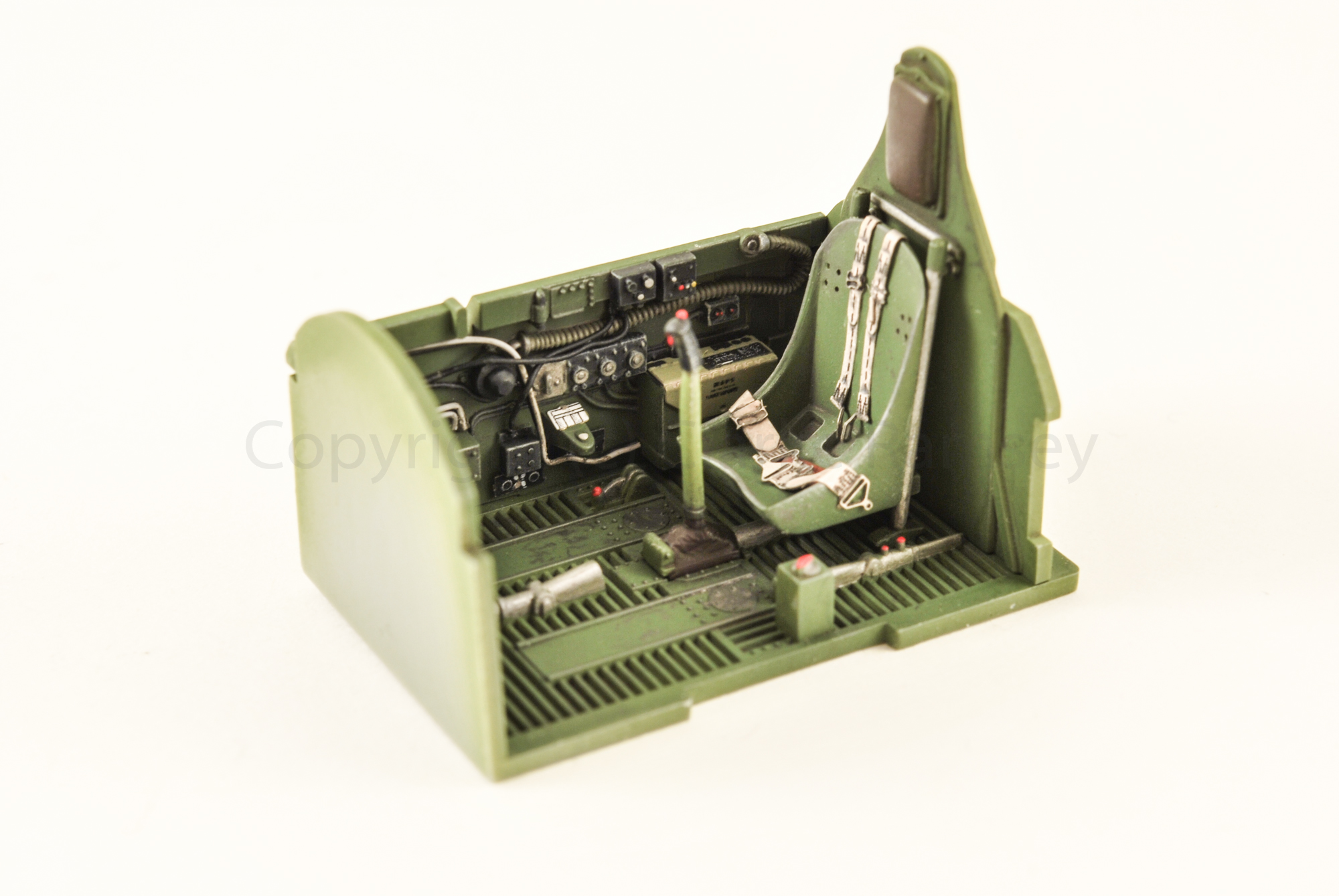
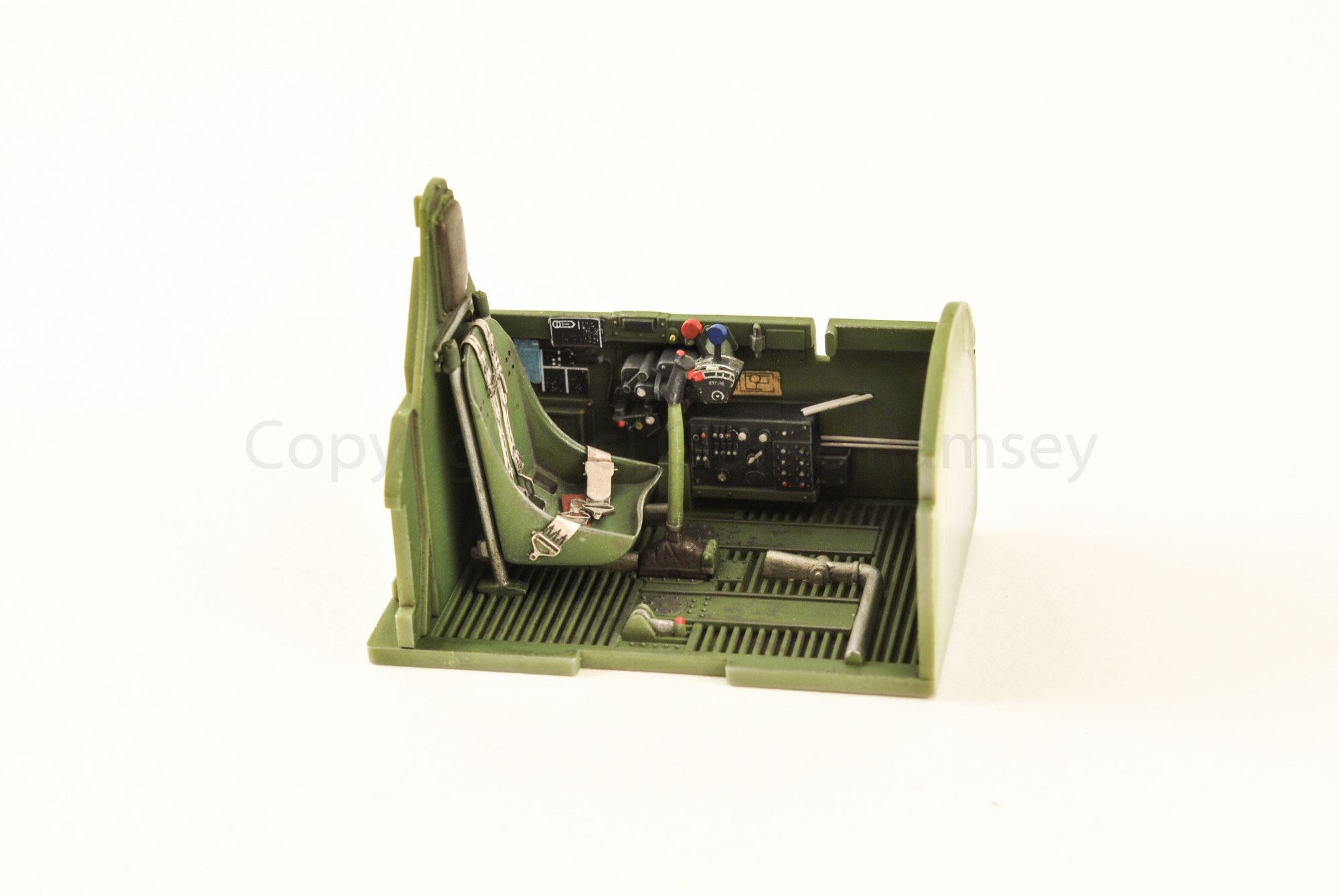
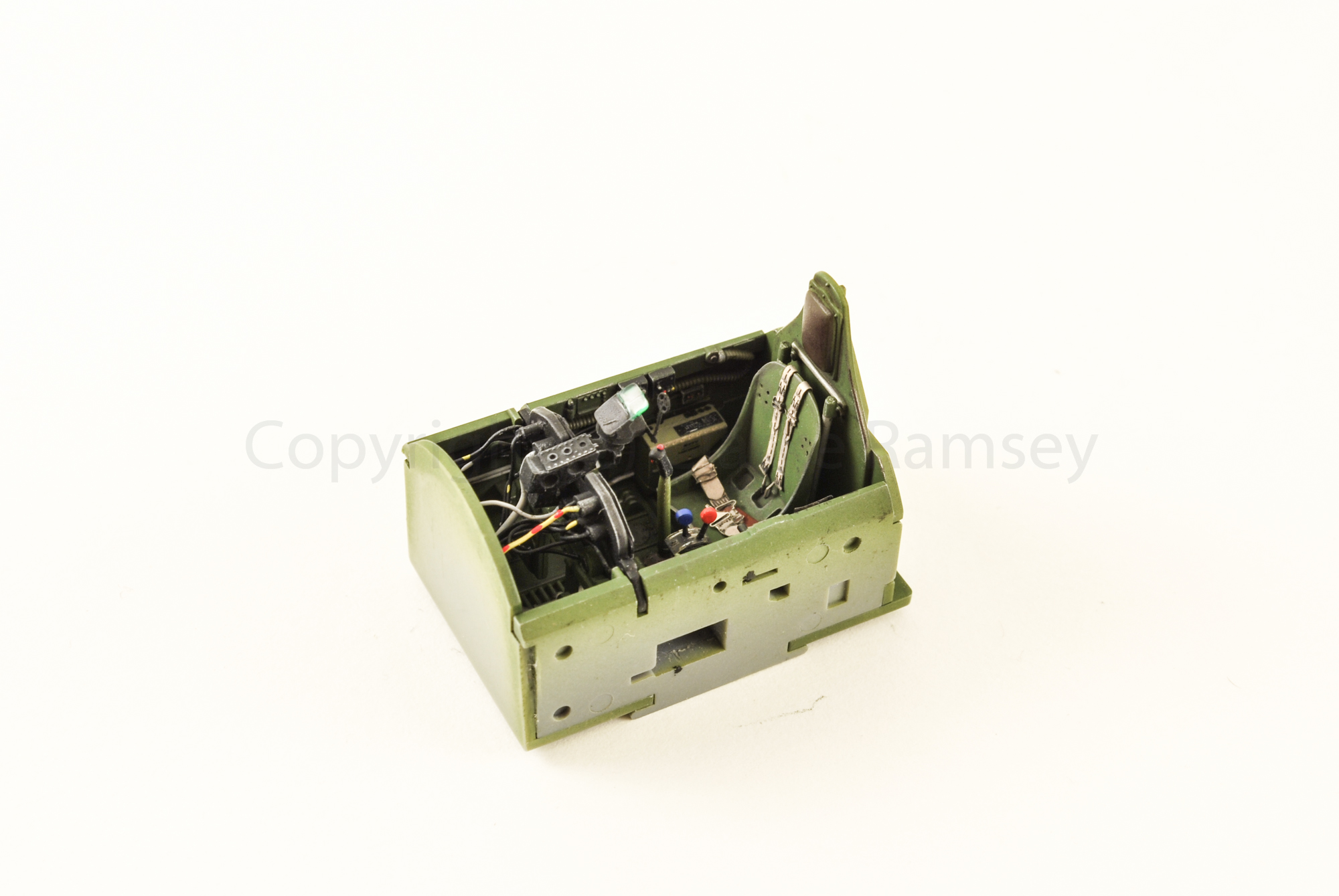
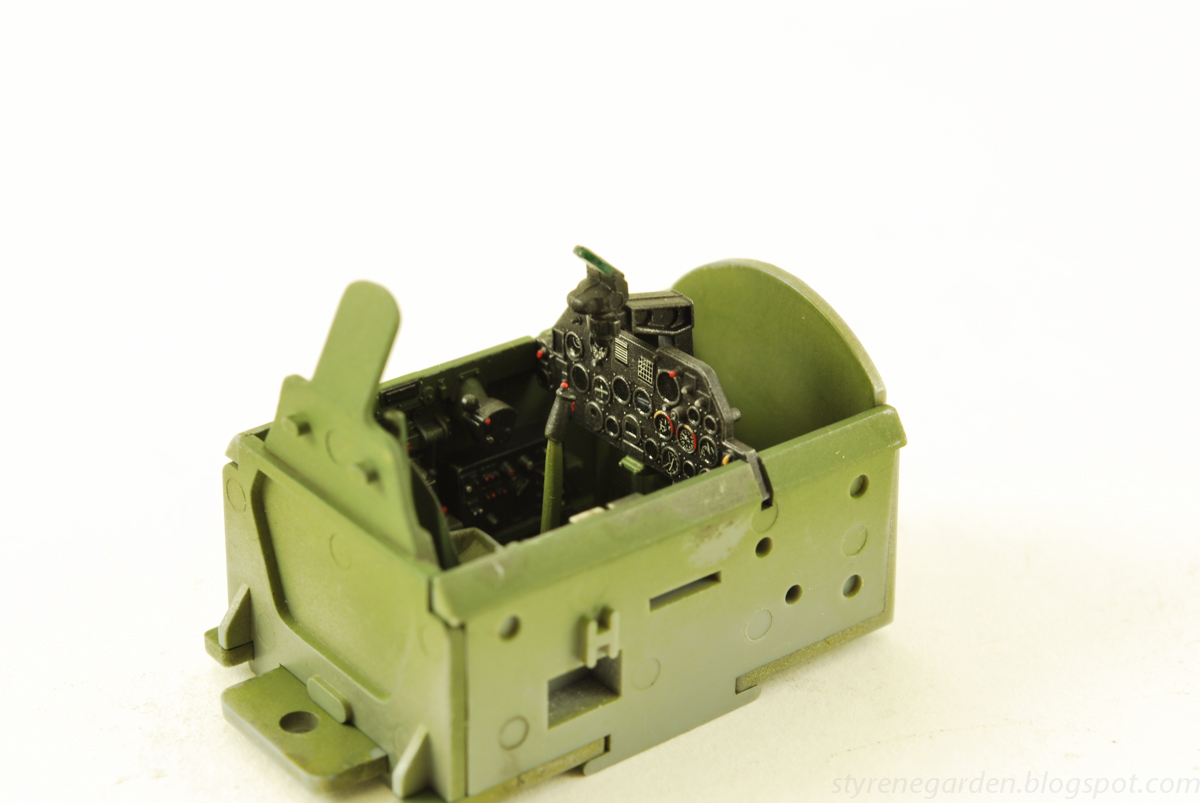
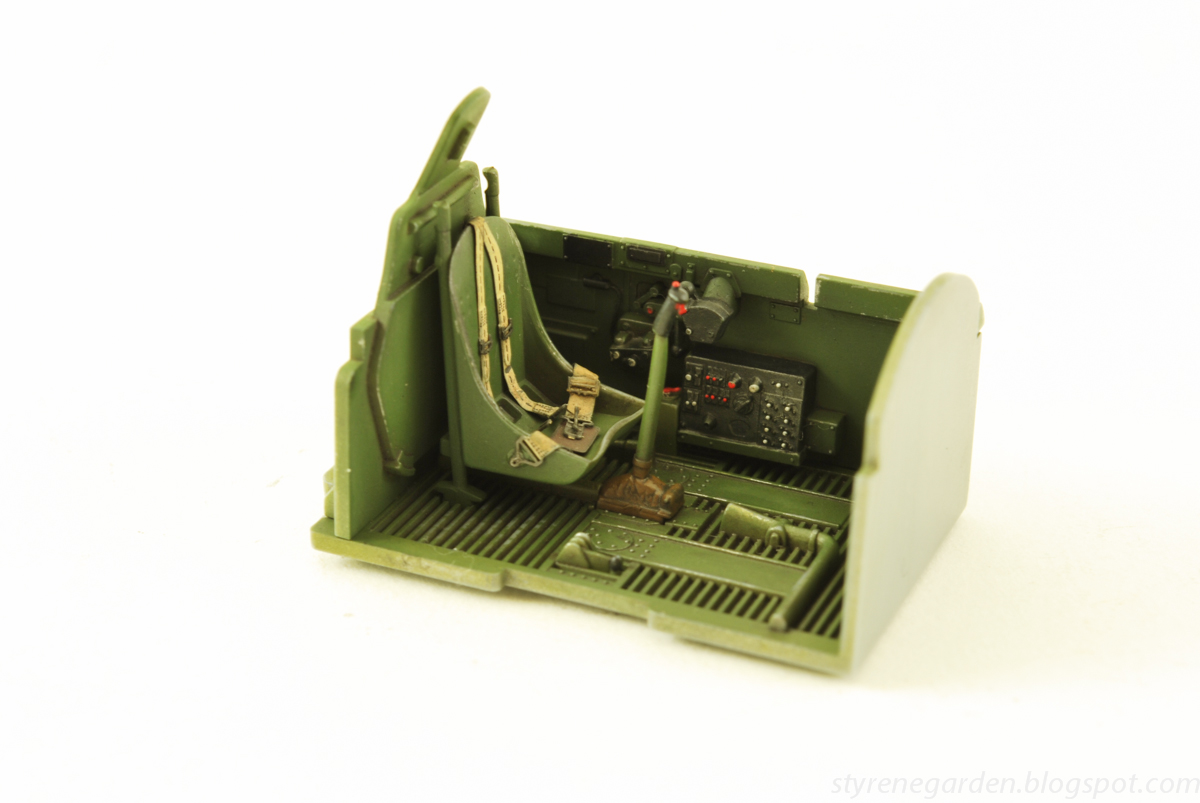
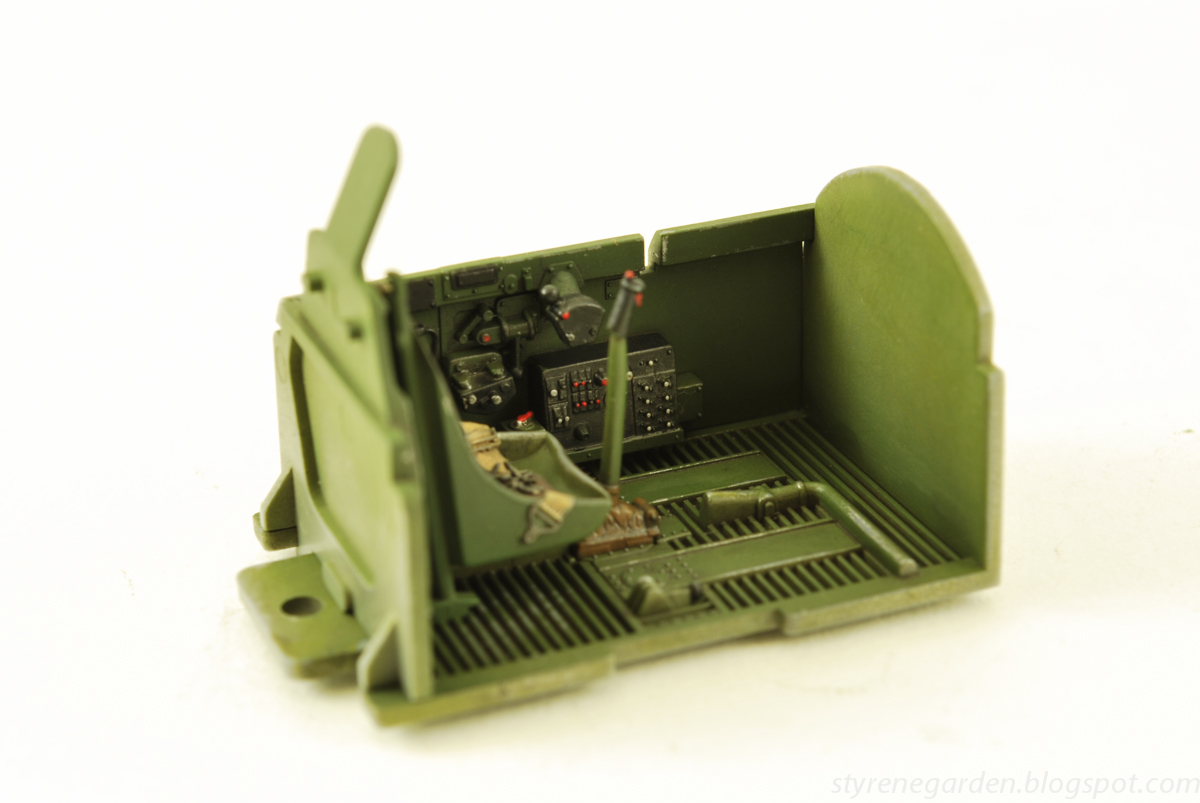
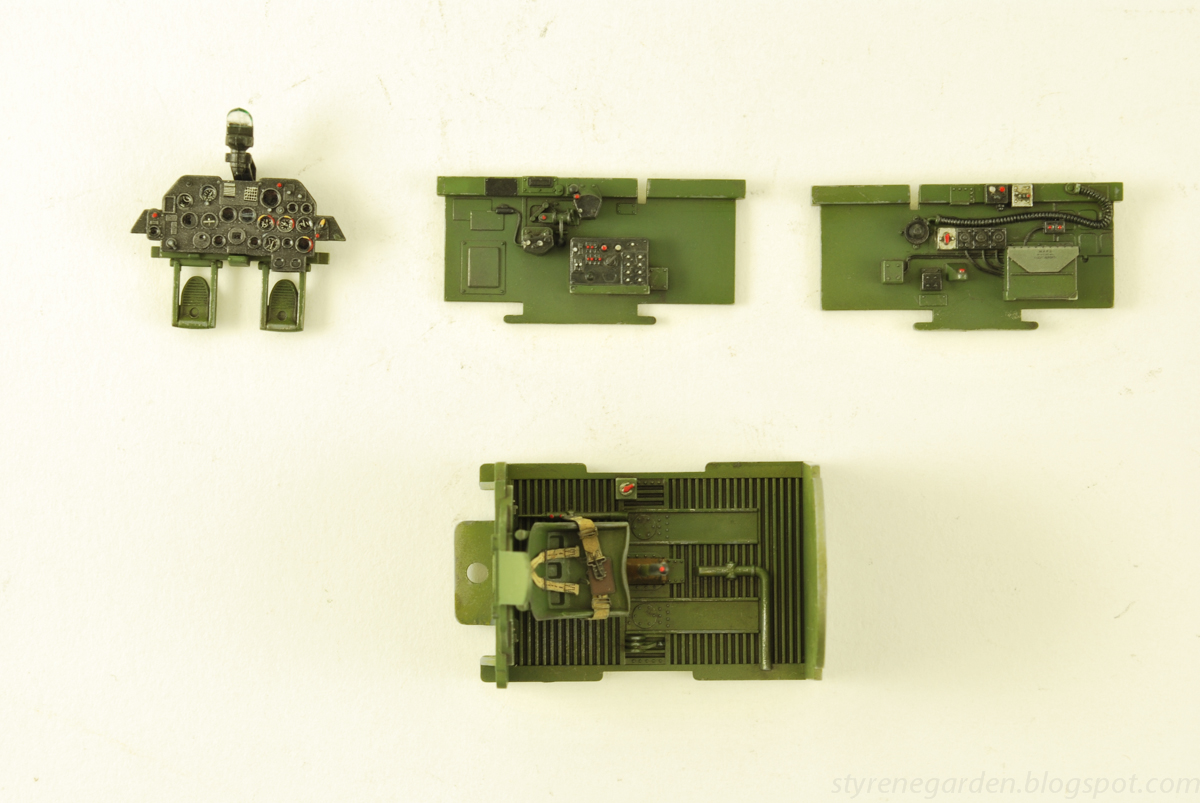
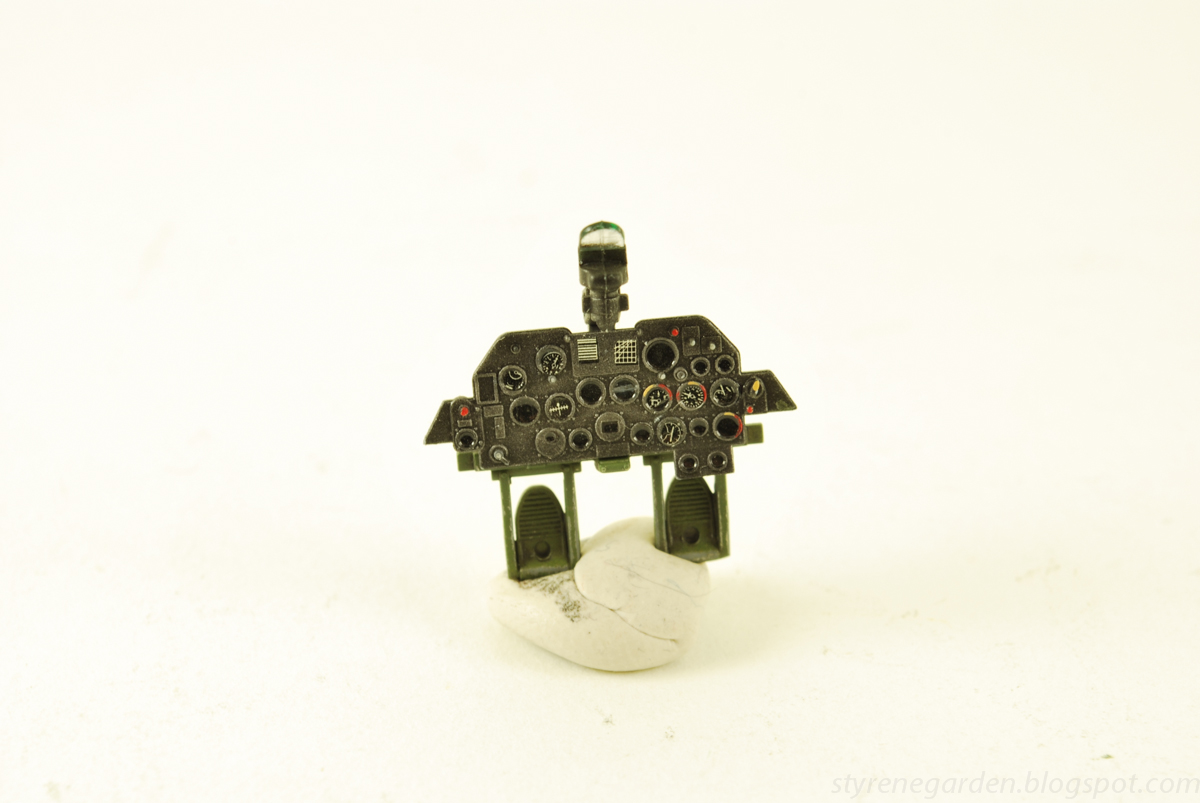
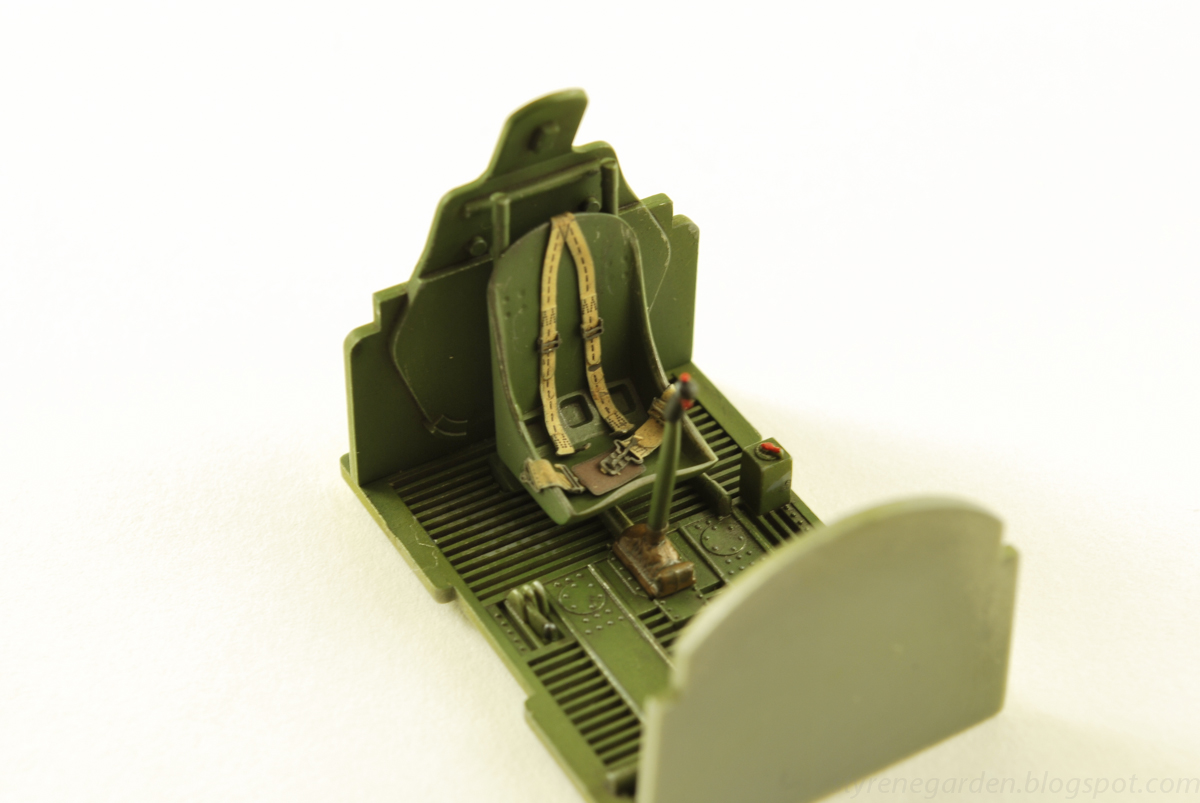
The cockpit was like any other project, primed with Mr. Surfacer 1200 thinned with lacquer thinner and leveling thinner for a smooth surface. Gunze field green was followed up with Vallejo paints and bits n' pieces of Eduard photo etch from past Jug projects. I decided to wire up the back of the instrument panel with lead wire, not knowing it would be unseen by the glare-shield armored panel. lol. two hours of drilling and screaming for something that will never been seen. At least I know what's 'under the hood'.

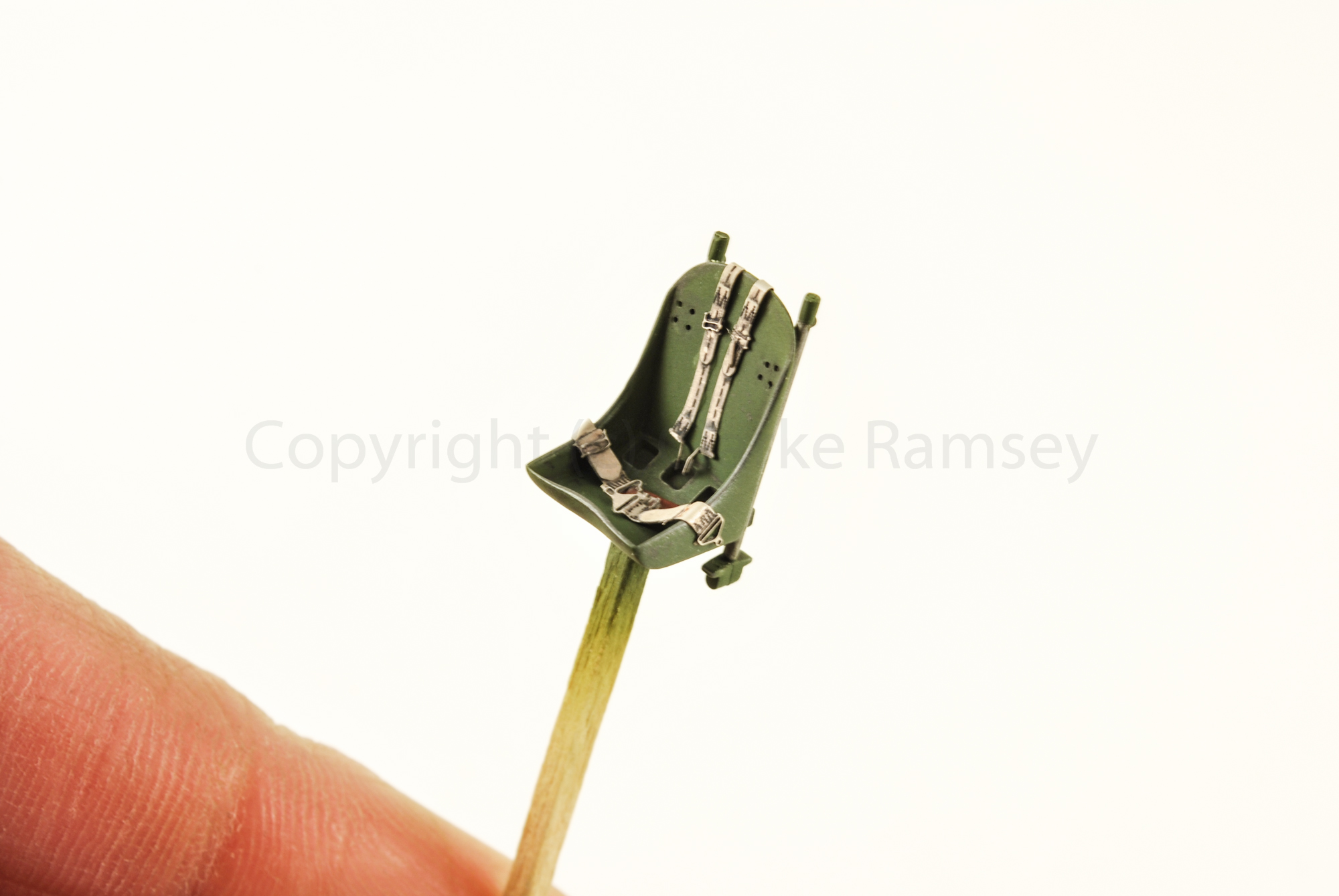
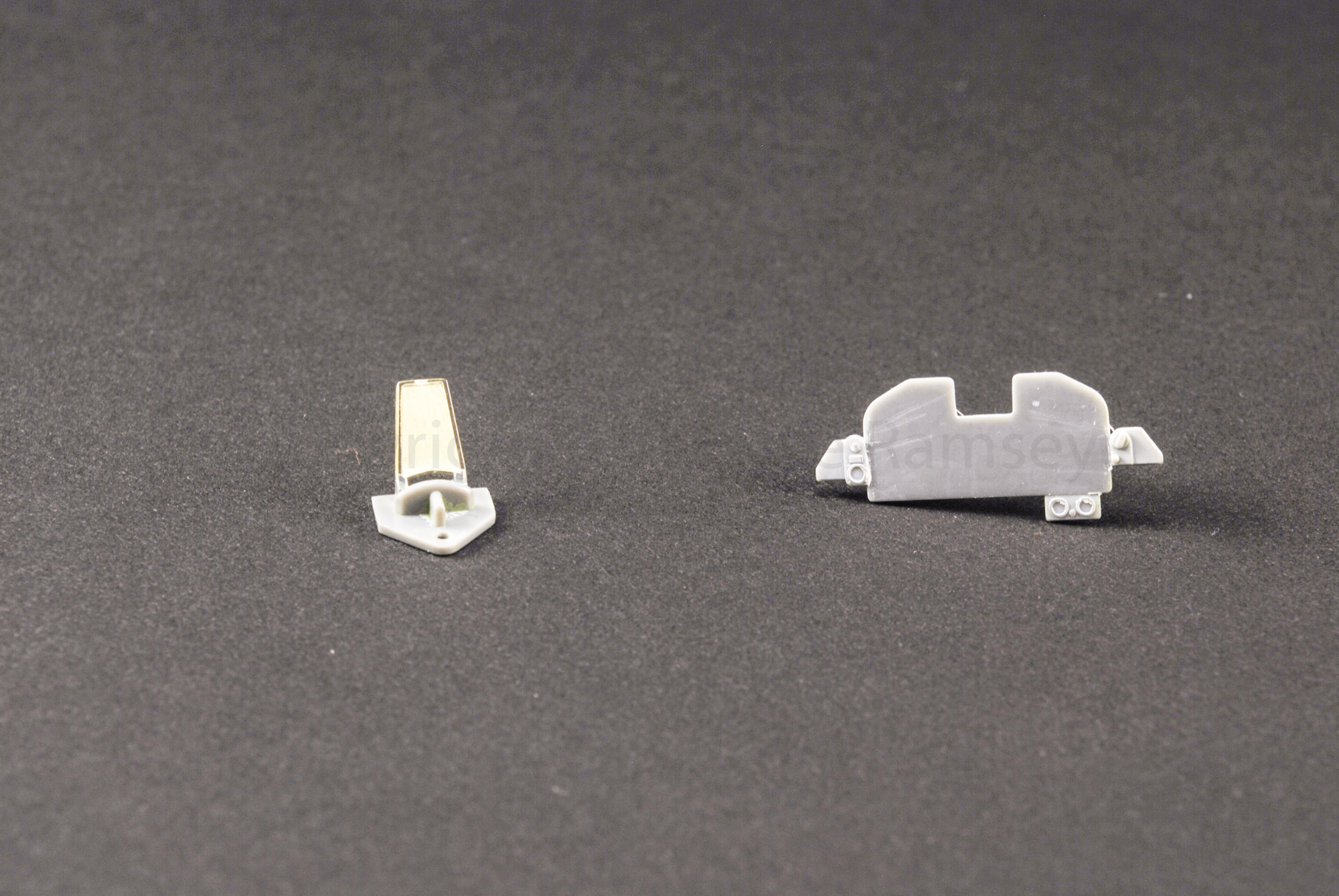
The kit come with several options for gun-sights; the Mark VII Illuminated sight was enhanced with a Eduard sight and glass projector masked with liquid tape for spraying. The pilots seat was further enhanced with Eduard PE belts and given a pin wash of a mix of AK interactive enamel wash.

Next, sleep,  cockpit dry-fit and fuselage joining...


Tuesday, November 04, 2014

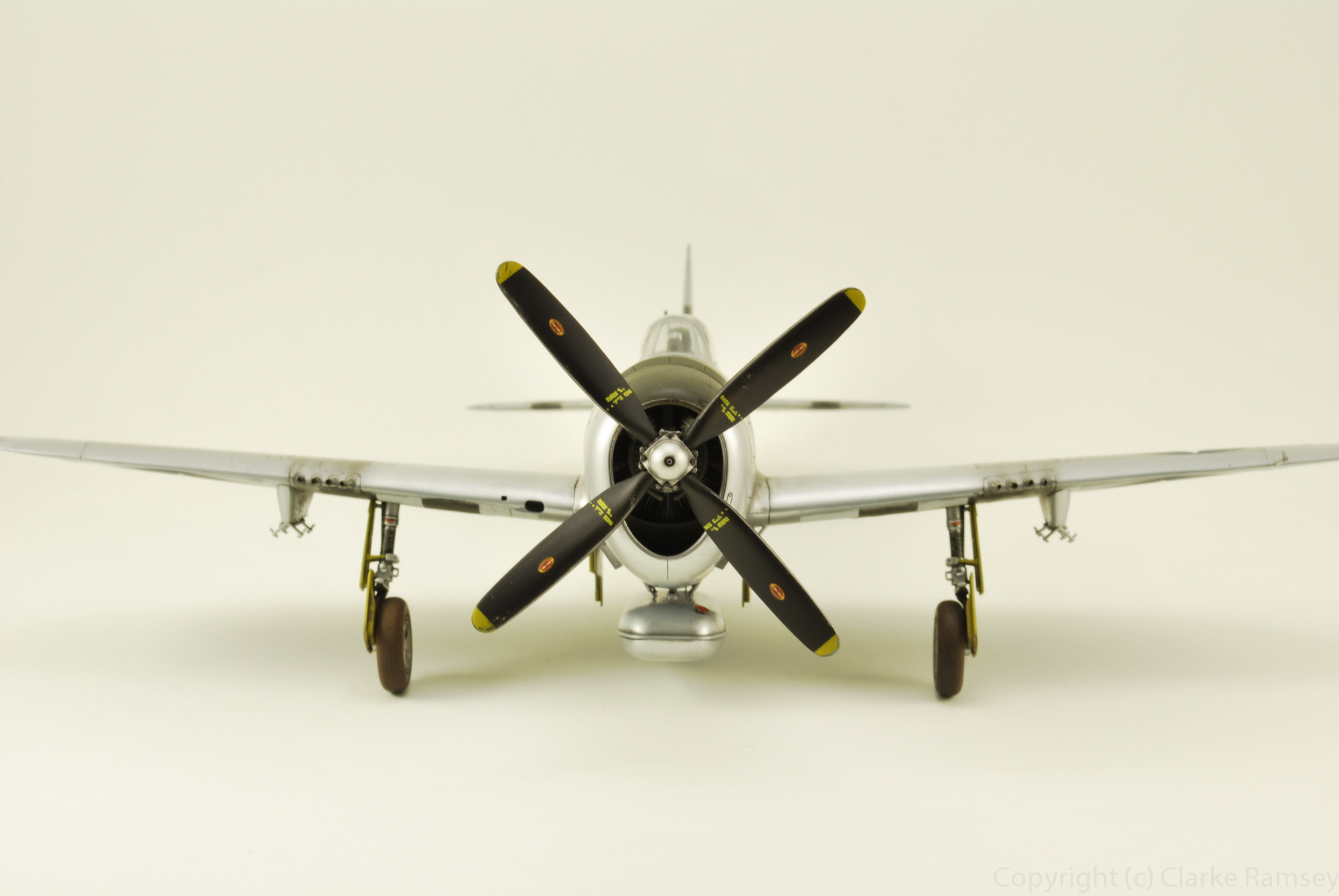
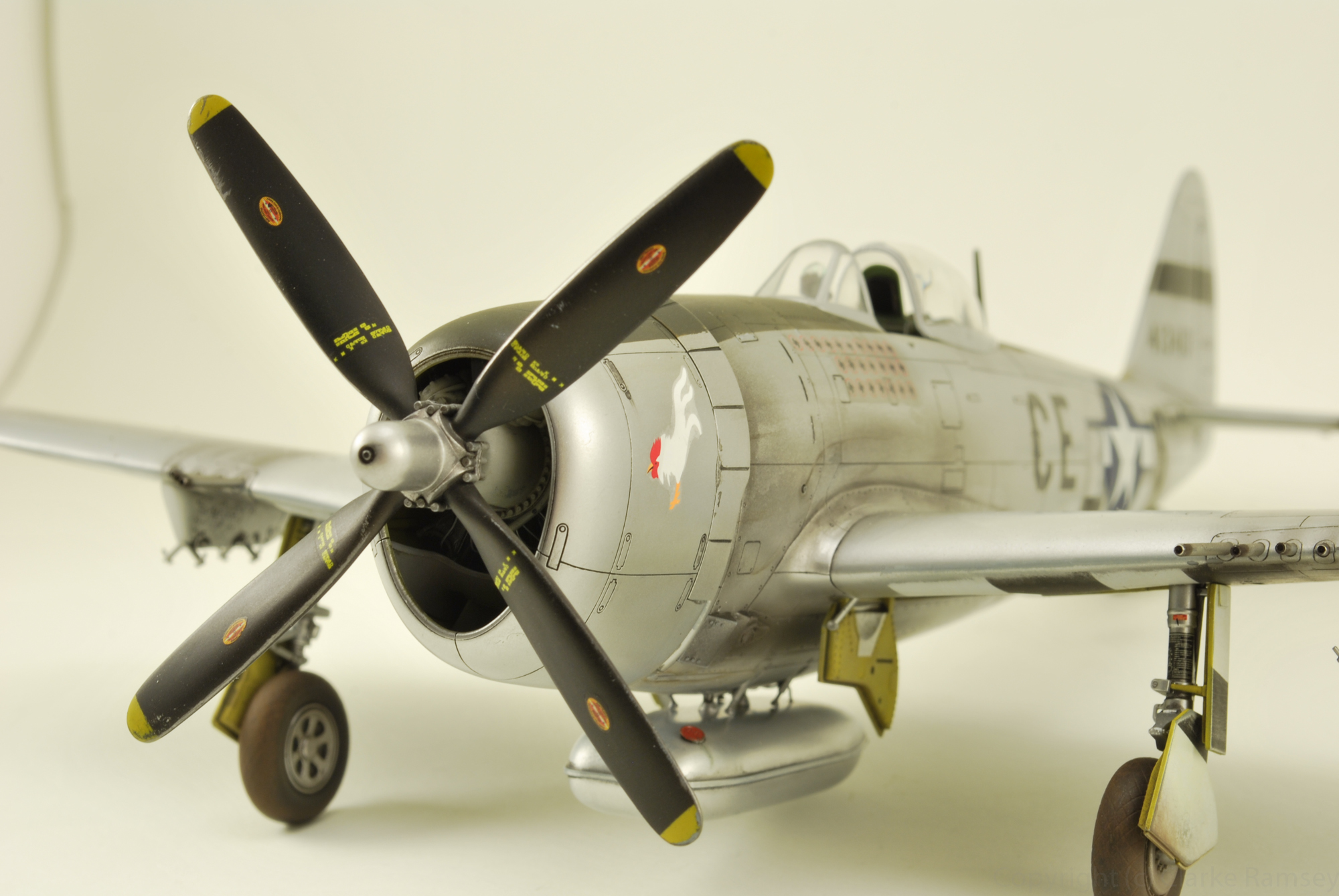
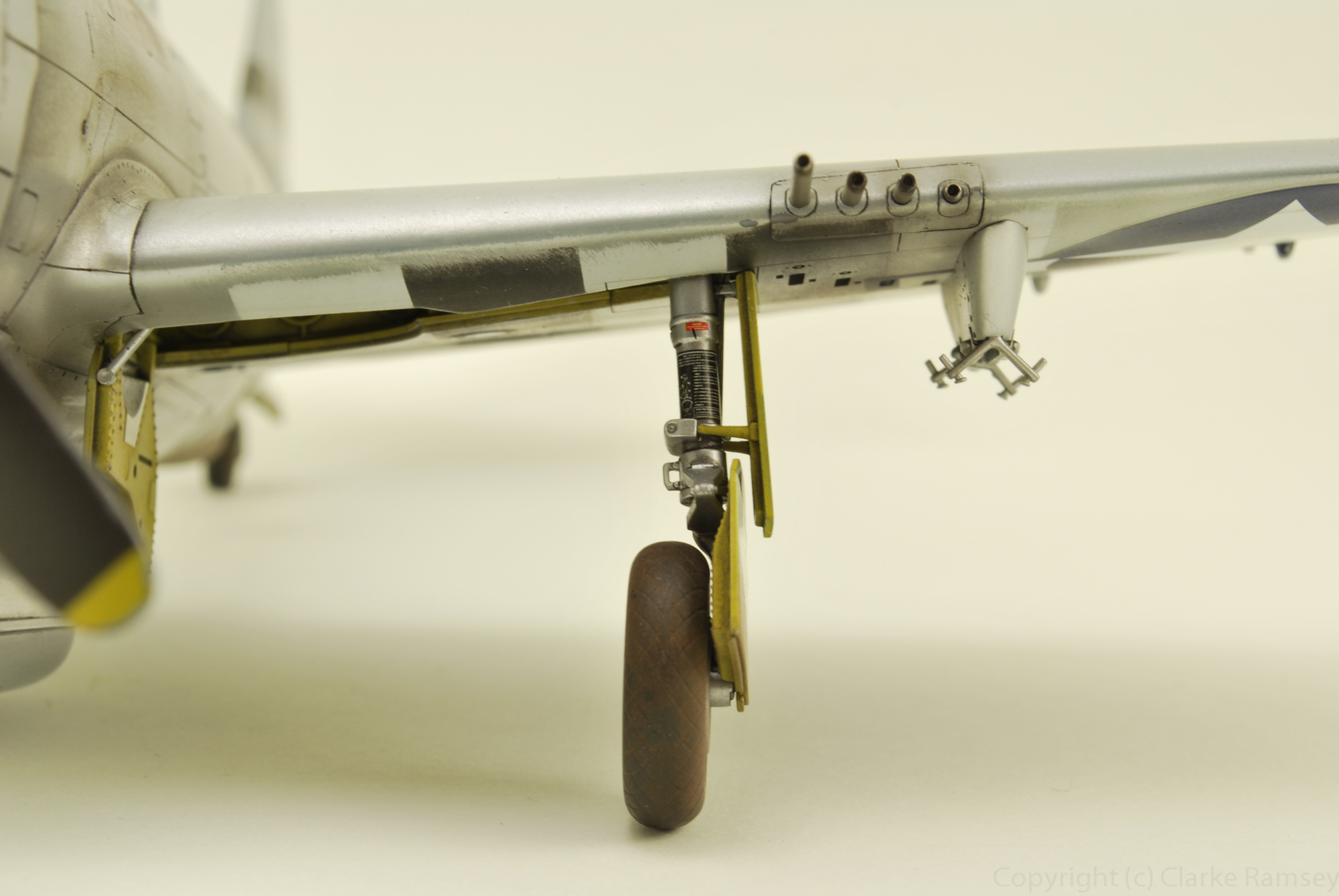
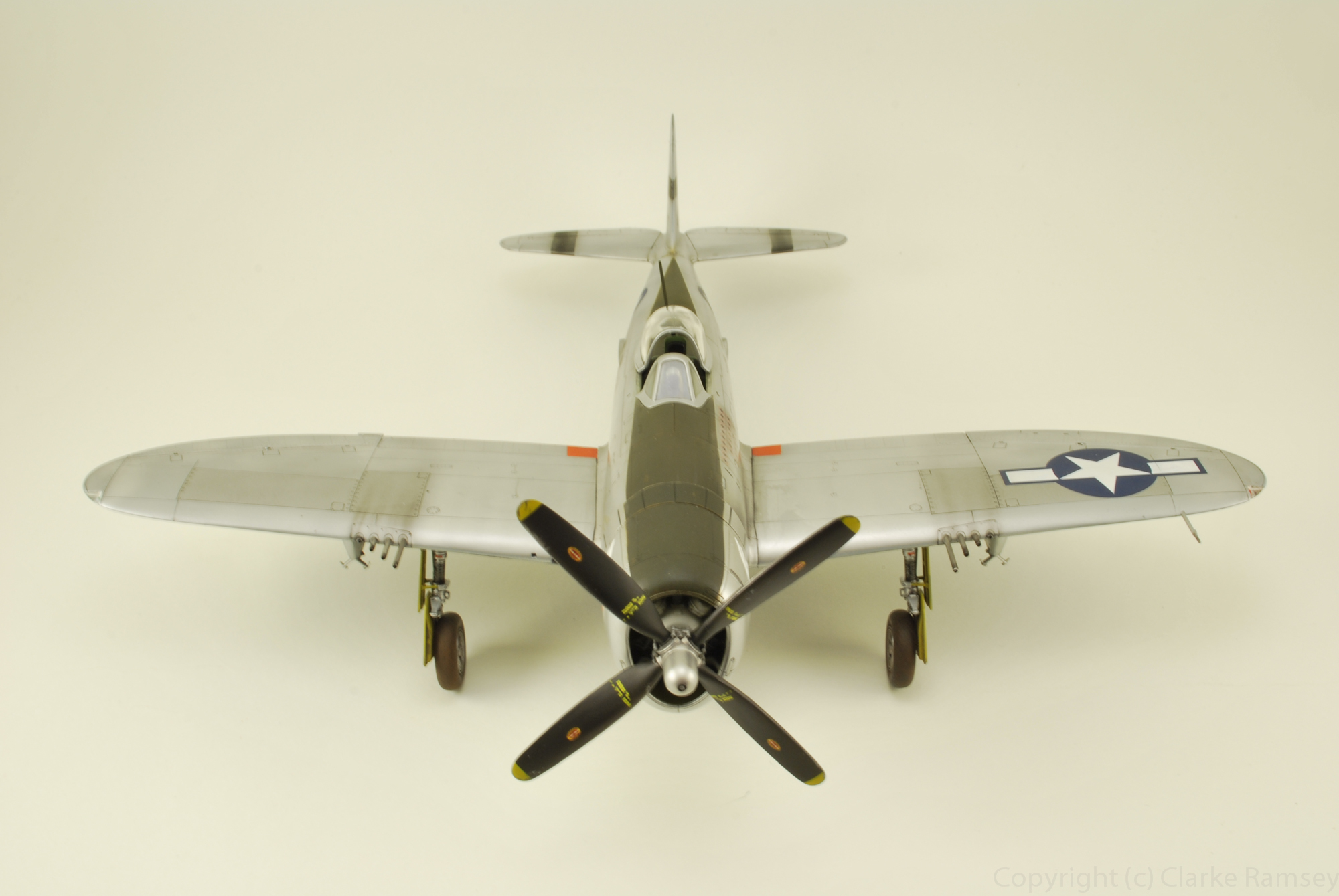
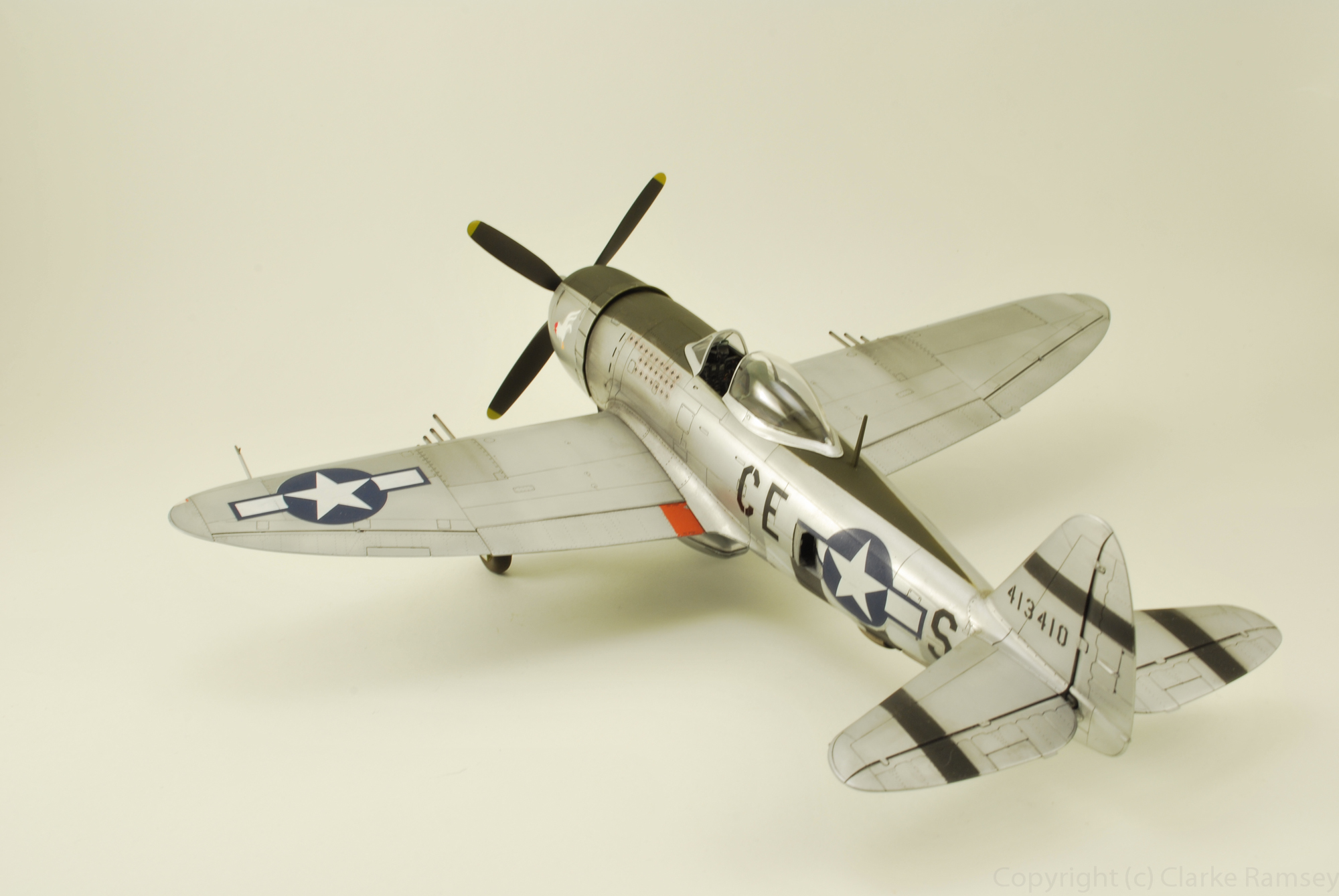
P-47D Finished

After months and months of sitting in a clear box, I've finally finished my Jug. This project presented me with many challenges to overcome. One being a natural metal finish. I've never really attempted one and this is a first that come out OK.


Full image set: https://www.flickr.com/photos/cramsey/sets/72157643931471623/

Saturday, April 26, 2014

Thunderbolt Part II

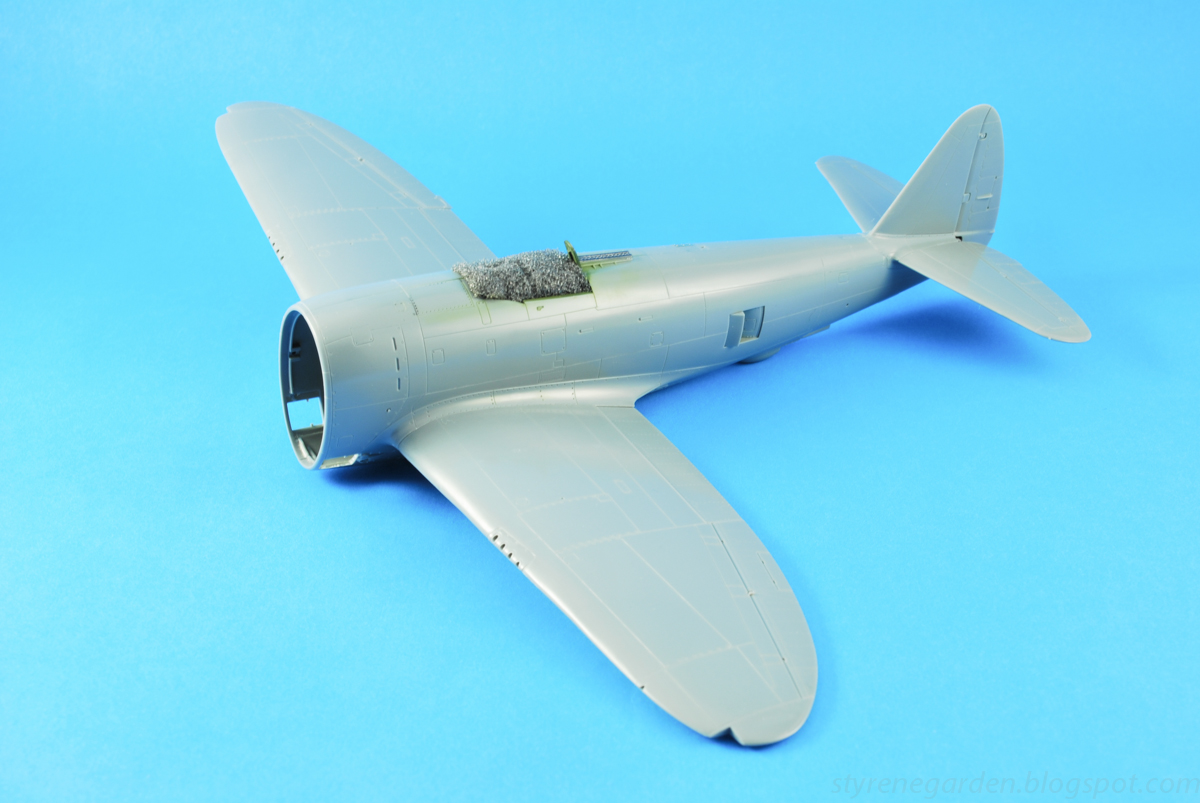
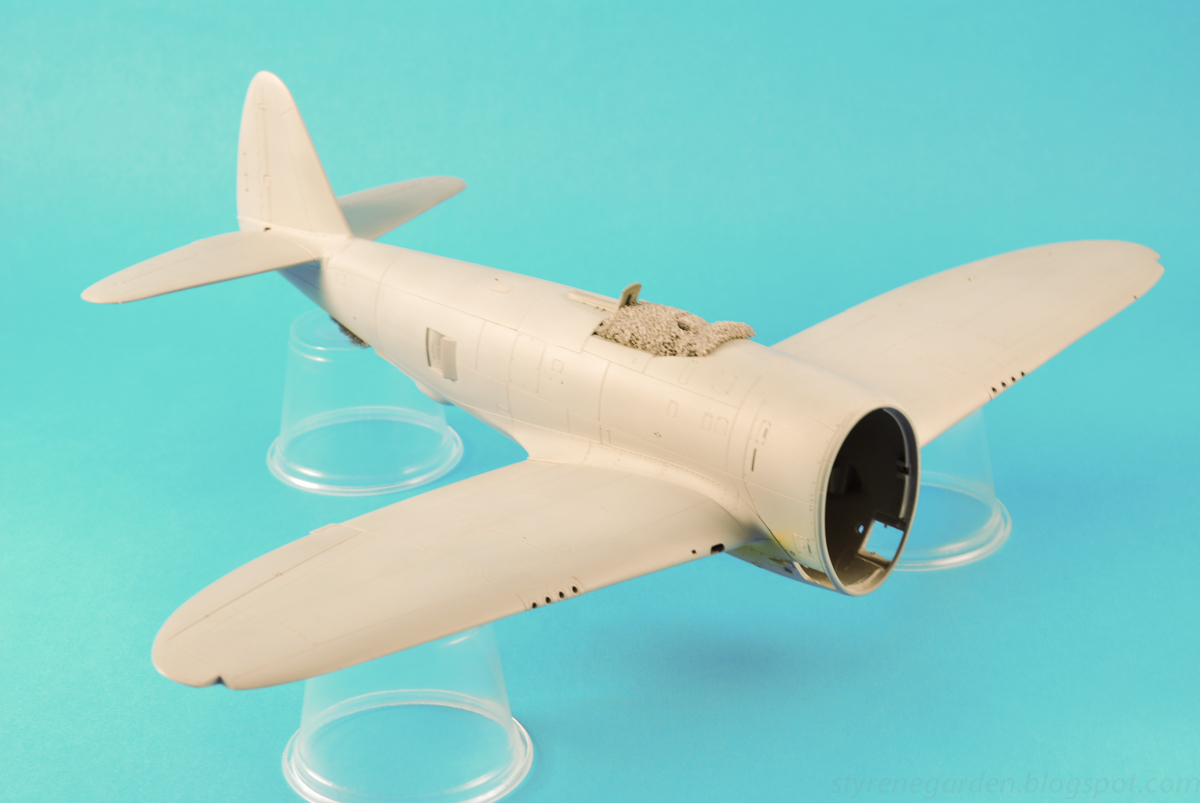
The Thunderbolt is ready for primer and paint. The major & sub assemblies are completed and airbrushed with Gunze Mr. Surfacer 1200. I cannot stress enough the value of a good, smooth & level primer base. I thin to a very high ratio of thinner (lacquer) to primer, just about the consistency to skim milk.

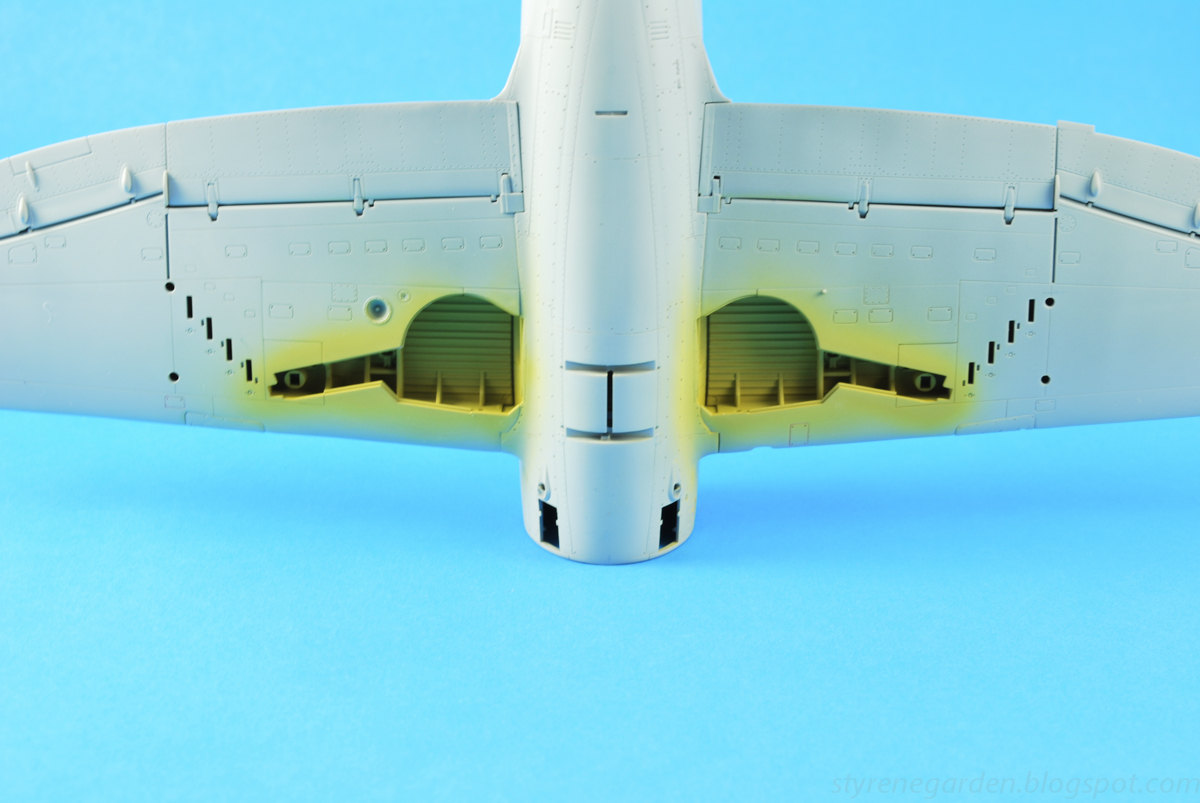
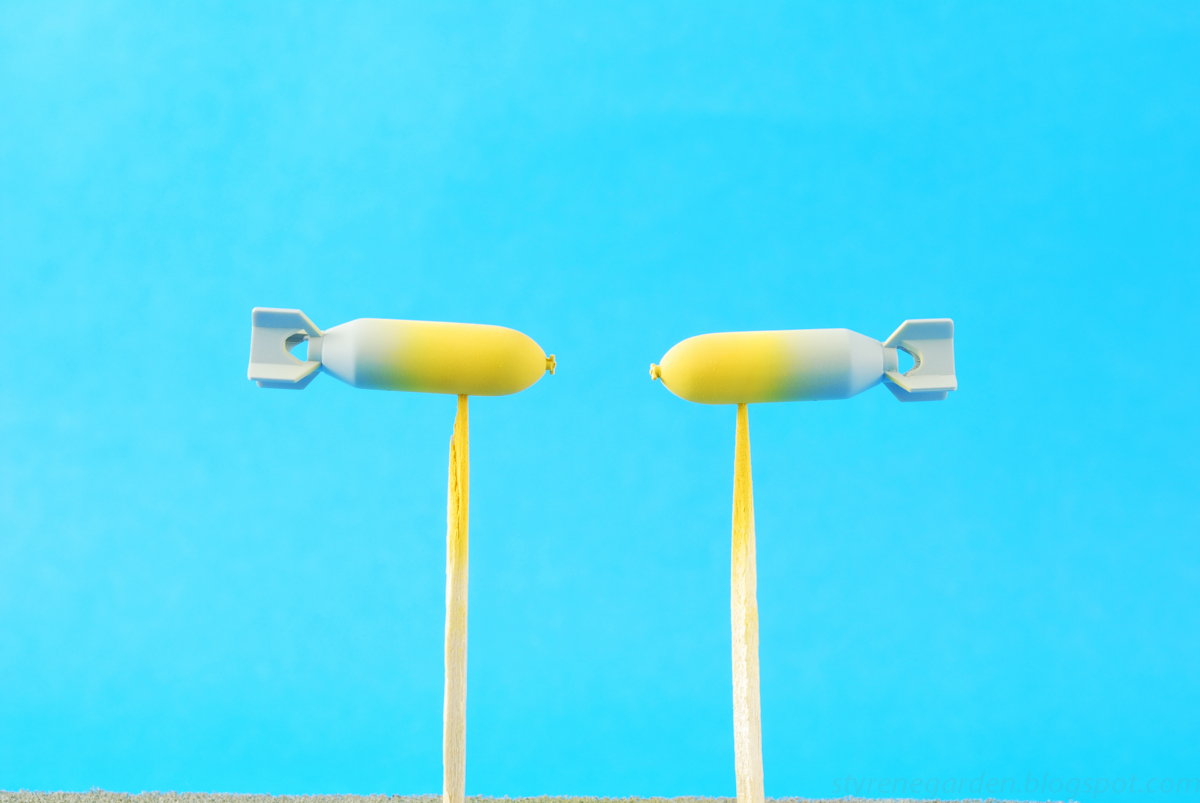
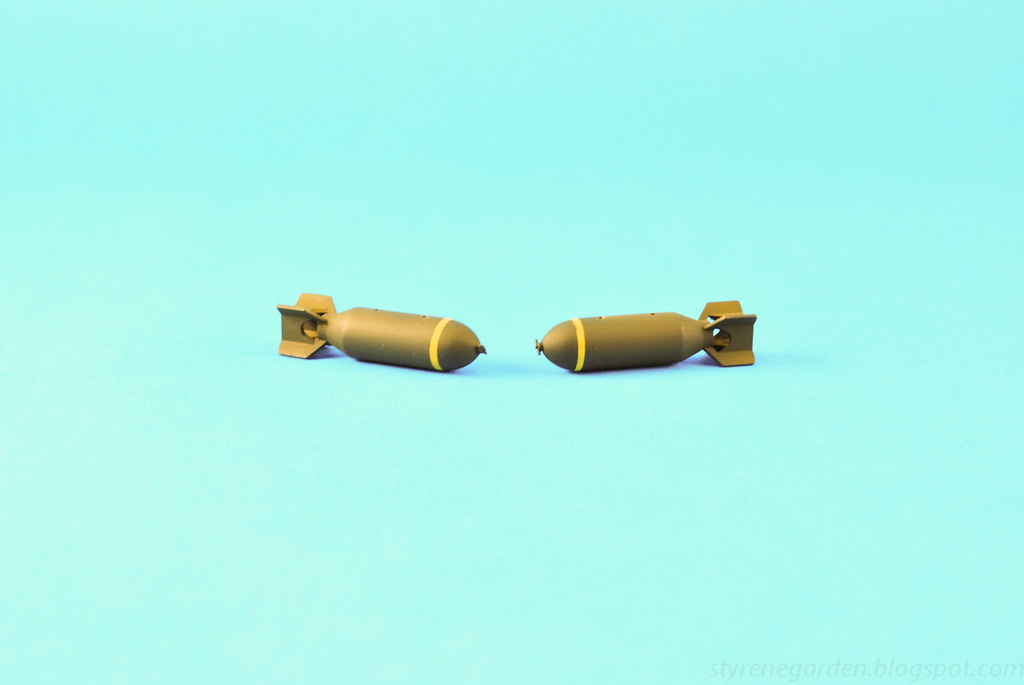
Spot checking with 2400/4000/12000 grit sanding sticks, all looks good for the upcoming paint layers. My attention turned to the wheel wheels, with a cote of Tamiya XK-4 yellow green. With XF-4 still in my airbrush I added some yellow to the mix for the bands on the 500 lb. bombs. After the yellow band airbrushed I cut a thin piece of FrogTape Delicate Surface tape to cover the yellow.

Then I airbrush Tamiya olive Drab with a bit of Flat green in the mix for the OD paint on the bombs.


Sunday, April 13, 2014

Tamiya 1/48 P-47D Thunderbolt

In May 1941, as the war raged in Europe, a single-engine fighter of more than 4t made its first flight. This fighter was the XP-47B, prototype of the Republic P-47 Thunderbolt of which a total of 15683 units will be built. Thanks to war experience, this aircraft was equipped with a 2000hp radial R-2800 engine, a supercharger and eight 12,7mm machine-guns. The XP-47B was to reach 633km/h and in January 1942, just after the USA went to war, the production of P-47B began. It was followed by the P-47C that incorporated various improvements and, from April 1943, by the P-47D, the most built version. The P-47D was equipped with an R-2800-59 engine, which can develop up to 2300hp with combat emergency water injection system engaged. The ducts that were passing on the sides and below the cockpit to connect the supercharger placed behind the pilot's seat gave to this plane its massive aspect. Many sub-types of the P-47D, designated D-1 to D-40, were produced but the first versions were called "Razorback" because of their sharp edge dorsal fin. The D-25 sub-type, which was introduced around June 1944, was fitted with an electrically actuated bubble canopy in order to improve pilot visibility and increased capacity fuel tanks. This decision resulted in a completely remodeled plane shape. All subsequent sub-types were also fitted with the bubble canopy and became a characteristic feature of late production Thunderbolts. The P-47 "Bubbletop" proved to be an excellent, well-balanced fighter-bomber.

I decided to clean out my model room and I found this kit half started undernight some of my more recent projects. I first started with a cote of Modelmasters metalizer alluminum for the overcoat of intreior bronze green. I couldn't find the right color so I opted for Gunze H340 Field Green (semi-gloss). I wish more manufactures (cough...Tamiya) would produce semi-glass paint strait out of the bottle. So much easier to work with.

The only photoetch are the seatbelts stolen from annother jug project gone wrong and the side map-case cover.

Chipped with a toothpick and stiff bush the details were picked out with Vallejo paint and given a  wash of various grey/brown enamel washes.

The instrument panel dial decals were punched out and a drop of future clear floor wax used to replicate the glass.